Deep cleaning is a targeted periodontal procedure that extends beyond a routine prophylaxis to address plaque and calculus beneath the gingival margin. It is used to manage periodontal disease by removing subgingival deposits that fuel infection and inflammation. Below, we explain when a deep cleaning is indicated, the clinical signs that prompt treatment, and how Preventive Dentistry in Twin Falls recommends this therapy to protect your oral health. Many patients delay care until symptoms worsen, which can lead to pain and more invasive treatment. Understanding the indicators, the steps of scaling and root planing, and the necessary aftercare helps you make informed choices for your smile.
What Are the Signs Indicating You Need a Deep Dental Cleaning in Twin Falls?
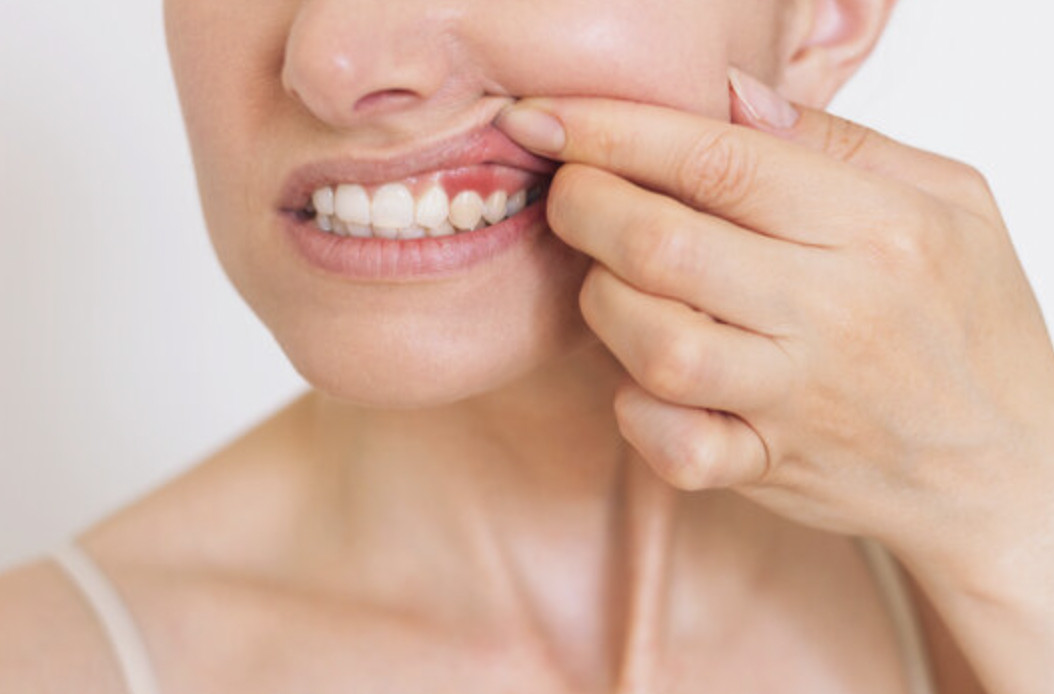
Look for clinical signs that diverge from healthy gingiva: persistent halitosis, gingival swelling or bleeding on brushing, and tooth sensitivity. These symptoms often indicate subgingival plaque and calculus that routine cleaning will not resolve. Early recognition allows timely periodontal intervention to protect your gums and preserve your dentition.
How Does Gum Disease Signal the Need for Deep Cleaning?
Periodontal disease presents with inflamed, tender, or bleeding gingival tissues and may include pocketing around teeth. These findings suggest bacterial biofilm accumulation below the gum line that requires scaling and root planing to remove irritants and reduce infection. Without treatment, periodontal destruction can progress and result in tooth mobility or loss, so addressing these signs promptly protects your oral health.
What Early Symptoms Differentiate Deep Cleaning Needs from Routine Cleanings?
Routine prophylaxis is sufficient for patients with healthy gingiva and minimal plaque control needs, typically every six months. If you have recurrent gingival bleeding during brushing, chronic bad breath, or a sensation of tooth looseness, these are clinical indicators that periodontal therapy—rather than a standard cleaning—may be necessary. Clear differentiation guides appropriate care for your gums.
What Is the Scaling and Root Planing Procedure in Preventive Dentistry?
Scaling and root planing is the cornerstone of non-surgical periodontal therapy. Scaling removes plaque and calculus from supragingival and subgingival surfaces, while root planing smooths root surfaces to facilitate reattachment of the gingiva. This procedure reduces pocket depths, lowers bacterial load, and supports the long-term stability of your periodontal tissues.
How Are Scaling and Root Planing Performed to Treat Gum Disease?
Treatment begins with a comprehensive periodontal assessment to measure pocket depths and identify areas of concern. After local anaesthesia, the clinician uses ultrasonic and hand instruments to debride roots and remove calculus. The goal is to eliminate subgingival biofilm and create a clean root surface to promote healing and reattachment of the gingiva, reducing the risk of further periodontal breakdown.
What Are the Differences Between Regular Cleaning and Deep Cleaning Procedures?
Standard dental cleanings focus on removing supragingival plaque and polishing tooth surfaces and are usually completed in a single appointment. Deep cleaning targets subgingival deposits and pocket reduction; it is often more time-consuming and may require quadrant-based visits. Deep cleaning is necessary to arrest periodontal progression, which routine cleanings cannot accomplish when pocketing is present.
What Are the Benefits and Risks of Deep Teeth Cleaning?
Deep cleaning offers measurable benefits: reduced gingival inflammation, preservation of alveolar support to help prevent tooth loss, and improved breath. Risks are generally limited and temporary, including postoperative sensitivity, gum tenderness, or transient discomfort. Discussing expected outcomes and recovery helps ensure your comfort and realistic expectations.
When the procedure is clinically indicated and the patient understands postoperative expectations, deep cleaning delivers long-term periodontal benefits while risks are manageable with appropriate care.
How Does Deep Cleaning Prevent Progression of Gum Disease?
By removing subgingival bacterial biofilm and smoothing root surfaces, deep cleaning reduces pocket depths and allows gingival tissues to reattach to the tooth. This interruption of the disease process helps stabilise periodontal condition and, when combined with regular maintenance, supports ongoing gum health under preventive dentistry protocols.
What Risks or Sensitivities Might Patients Experience After Deep Cleaning?
Patients commonly experience transient gum tenderness, mild swelling, and increased sensitivity to thermal stimuli during the initial recovery. These effects typically resolve over days to weeks. Awareness of these responses and following post-operative instructions helps maintain your comfort while tissues heal.
How Does Preventive Dentistry in Twin Falls Recommend Deep Cleaning?
At Pocock Family Dental, our approach begins with a thorough periodontal examination to determine whether deep cleaning is indicated. We prioritise personalised care plans that balance clinical need with patient comfort, ensuring you understand the rationale for treatment and the expected outcomes. For more information on our services, visit Pocock Family Dental.
What Preventive Dentistry Services Support Early Detection of Gum Disease?
Preventive services include routine periodontal charting, professional prophylaxis, and diagnostic assessments that monitor pocket depths and attachment levels. These evaluations, combined with patient education on oral hygiene, facilitate early detection and timely intervention to protect your periodontal health.
How Is a Personalized Preventive Care Plan Developed for Deep Cleaning Needs?
A personalised plan starts with a review of your dental history, periodontal measurements, and risk factors such as smoking or systemic conditions. We tailor recommendations—timing of maintenance visits, adjunctive therapies, and home-care strategies—to your situation and provide ongoing follow-up to optimise outcomes for your smile.
What Aftercare Practices Maintain Gum Health Following a Deep Cleaning?
Aftercare focuses on consistent daily oral hygiene and professional maintenance. Brushing with a soft-bristled toothbrush, daily interdental cleaning, and scheduled follow-up appointments allow the clinician to monitor healing and prevent recurrence. Adhering to these practices maximises the long-term benefits of treatment.
Which Oral Hygiene Tips Help Sustain Benefits After Scaling and Root Planing?
- Brushing twice daily: Use a soft-bristled toothbrush to avoid irritating gums.
- Flossing daily: This helps remove plaque from between teeth that brushing alone cannot reach.
- Using mouthwash: Anti-bacterial mouth rinses can assist in reducing plaque buildup.
Maintaining these habits supports tissue healing, reduces bacterial recolonisation, and lowers the likelihood of periodontal recurrence.
When Should Patients Schedule Follow-Up Visits in Preventive Dentistry?
Follow-up intervals after deep cleaning are typically every three to six months, based on periodontal status and risk factors. These visits allow for reassessment of pocket depths, reinforcement of home care, and modification of the preventive plan as needed. Contact your dentist promptly if you notice persistent pain, swelling, or other concerning symptoms.
Recognising the importance of deep cleaning and following recommended preventive practices significantly improves periodontal outcomes. At Pocock Family Dental, we are dedicated to comprehensive care and patient education in Twin Falls to help you maintain a healthy, confident smile.
Frequently Asked Questions
What is the average cost of deep cleaning at a dental office?
Costs vary by region, the extent of periodontal disease, and the practice. Typical fees range from $150 to $400 per quadrant, which can total about $600 to $1,200 for full-mouth treatment. Many dental insurance plans cover part of the expense when periodontal therapy is clinically necessary; consult your provider and our office for specific estimates.
How often should deep cleaning be performed?
Frequency depends on individual periodontal health. Patients with ongoing periodontal issues or high risk may require maintenance every three to four months. Others may need deep cleaning annually or as advised after a clinical evaluation. Regular examinations determine the optimal schedule for your care.
Can I avoid deep cleaning with better home care?
Diligent home care—brushing twice daily, daily interdental cleaning, and smoking cessation—reduces risk but does not guarantee avoidance of deep cleaning. Genetic predisposition, systemic health, and lifestyle factors also influence periodontal disease. Regular professional assessments remain essential to identify when clinical intervention is required.
Are there any alternative treatments to deep cleaning?
Alternatives depend on disease severity. Mild gingivitis often responds to improved home care and professional prophylaxis. Adjunctive options, such as laser therapy or locally delivered antimicrobials, may be appropriate in selected cases. A dental professional can evaluate which approach best suits your condition.
What should I expect during the recovery period after deep cleaning?
Expect some gum tenderness, slight swelling, and temporary sensitivity to hot or cold. These symptoms usually subside within a few days. Over-the-counter analgesics can help manage discomfort, and following post-operative instructions promotes efficient healing and comfort.
How can I tell if my deep cleaning was successful?
Success is assessed during follow-up appointments. Positive signs include reduced gingival bleeding, decreased pocket depths, less inflammation, and improved oral hygiene at home. Ongoing monitoring ensures the treatment has stabilised your periodontal condition and identifies any need for further care.
Conclusion
Identifying when deep cleaning is necessary is vital to preserve periodontal support and overall oral health. Taking timely action reduces the risk of disease progression and helps maintain your comfort and function. Schedule a consultation with our team for personalised advice and a preventive plan tailored to your needs. Trust Pocock Family Dental to prioritise your gum health and help keep your smile healthy and bright.
More Posts
Jun / 2026
How Preventive Dentistry in Twin Falls Saves Magic Valley Families Thousands in Future Dental Bills
Jun / 2026
Oral Cancer Screening in Twin Falls: The Preventive Dentistry Check That Can Save Your Life
Jun / 2026
Early Signs of Gum Disease and How Preventive Dentistry in Twin Falls Protects Your Smile