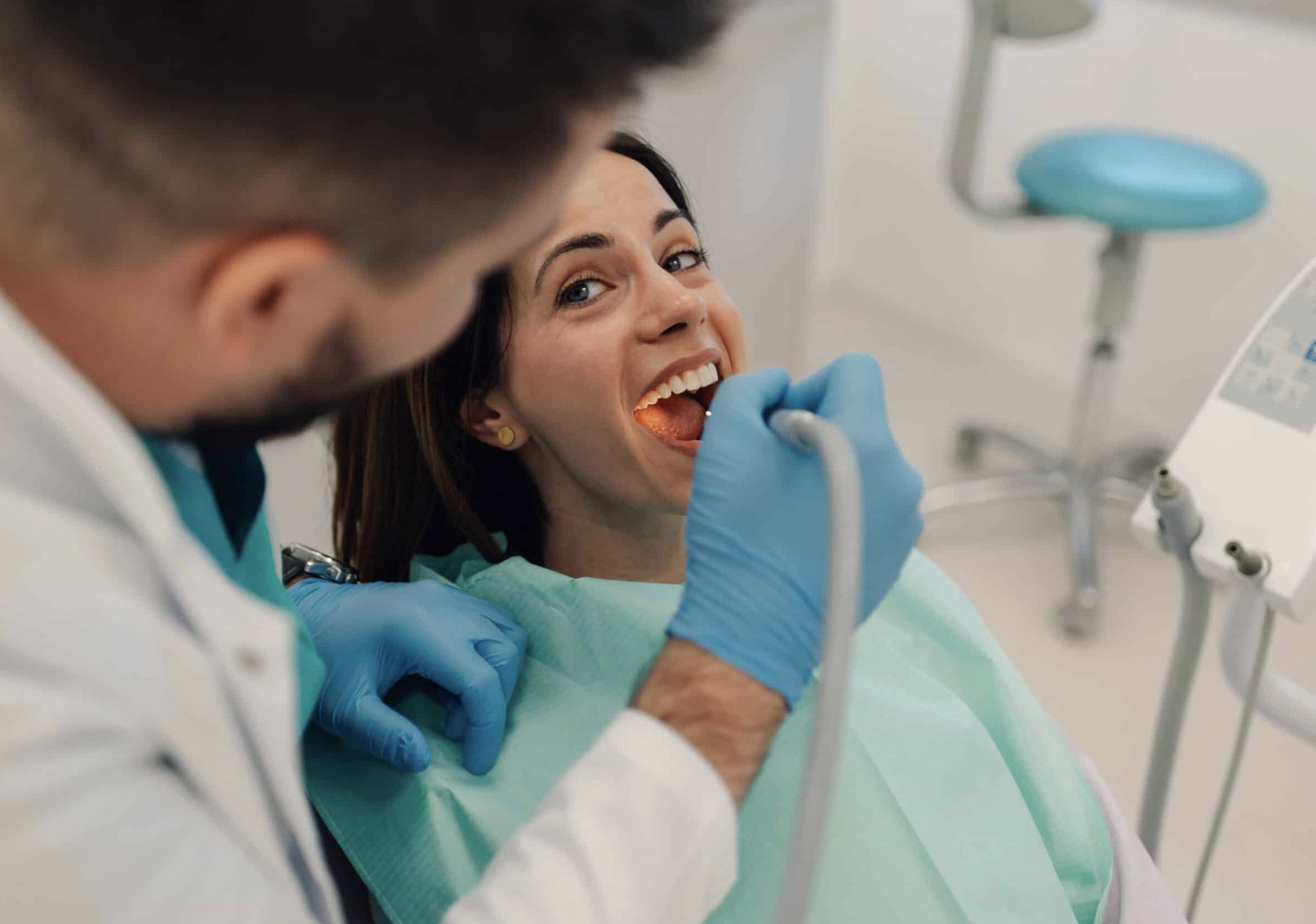
Preventive dentistry concentrates on proactive care that preserves oral health and prevents minor issues from becoming major problems. Understanding the essentials of preventive dentistry helps Twin Falls families reduce future dental costs while improving overall wellbeing. This article outlines how preventive dentistry functions, the core services offered by Pocock Family Dental, and the financial advantages of maintaining regular checkups and timely treatments. For many who face high bills due to untreated conditions, a prevention-first approach is both medically prudent and cost-effective.
The sections that follow explain the principles of preventive dentistry, describe Pocock Family Dental’s services, and quantify the cost savings tied to these measures. You will also learn about membership plans that increase access to routine care.
Principles of Preventive Dentistry
Preventive dentistry consists of clinical and daily practices intended to maintain oral health and stop disease before it develops. It emphasises scheduled examinations, professional prophylaxis, topical fluoride applications, and patient education to support effective home hygiene. Proactive care reduces the incidence of caries, periodontal disease, and other common conditions, delivering both immediate relief and long‑term oral health benefits.
Regular dental visits enable early identification of emerging problems through clinical exams and risk assessments. These visits typically include professional cleanings, fluoride therapy, and an overall oral health evaluation. Early detection limits the need for complex restorative care and lowers treatment costs, making preventive dentistry a practical financial strategy for families.
Key Services Offered by Pocock Family Dental
Pocock Family Dental delivers a comprehensive set of preventive services designed to protect and optimise your family’s oral health. These preventive measures are tailored to reduce disease risk and preserve natural dentition across all ages.
- Dental Exams: Regular checkups to identify any issues before they become serious.
- Professional Cleanings: Removing plaque and tartar buildup to prevent cavities and gum disease.
- Fluoride Treatments: Strengthening tooth enamel to resist decay.
- Dental Sealants: Protective coatings on molars to prevent decay in hard-to-reach areas.
These services form the foundation of long‑term oral health maintenance and are integral to routine family dental care. The practice also offers membership plans that reduce out‑of‑pocket costs while ensuring consistent access to essential preventive treatment.
Cost Savings and Health Benefits
Investing in preventive dentistry improves oral health and lowers long‑term expenditure for families in Twin Falls. Evidence indicates that routine preventive care reduces the need for extensive restorative procedures. For example, early treatment of carious lesions is usually less invasive and less costly than later restorations or extractions. It is worth noting that oral surgery is generally a restorative intervention, underscoring the priority of prevention.
Routine checkups also support broader health outcomes. Research links poor oral health to systemic conditions such as cardiovascular disease and diabetes; maintaining oral health therefore contributes to overall wellbeing. Preventive dentistry reduces both dental expense and the risk of related health complications for your family.
Membership Plan
Pocock Family Dental’s membership plan is structured to make preventive care more affordable and predictable for families. The plan provides tangible savings and simplifies access to routine services.
- Reduced rates on exams and cleanings.
- Priority scheduling for appointments.
- Discounts on various dental procedures.
Enrolling in the membership plan lowers recurring costs and strengthens the continuity of care between your family and the dental team. Regular, planned visits help maintain oral health and allow clinicians to intervene early when issues arise.
What Are the Key Benefits of Preventive Dental Care for Families in Twin Falls?
Preventive dental care offers benefits that extend beyond immediate cost savings. Primary advantages include:
- Cost Savings: Routine preventive services are typically less expensive than advanced restorative treatments required when conditions progress.
- Health Improvements: Preventive measures reduce the risk of oral diseases and their potential systemic impacts.
- Educational Opportunities: Professional guidance helps families adopt effective oral hygiene habits that support lasting health.
How Does Early Detection Prevent Costly Dental Treatments?
Detecting dental problems early lowers the chance of needing complex procedures later. Treating a small cavity during a routine visit can prevent progression to a stage that requires a crown or root canal—treatments that are more invasive and costly. Regular monitoring allows clinicians to manage issues conservatively and protect natural tooth structure.
Why Is Personalized Family Dental Care Essential for Long-Term Oral Health?
Personalised family dental care recognises differences in age, development, and health status among household members. Tailored treatment plans address specific needs—such as monitoring pediatric eruption patterns or managing adult periodontal risk—so care remains appropriate and effective. A family‑focused approach supports better outcomes by aligning prevention and treatment with each patient’s circumstances.
Which Preventive Dentistry Services Does Pocock Family Dental Offer in Twin Falls?
Pocock Family Dental provides preventive services intended to maintain oral health across all ages and stages. Their preventive portfolio includes routine assessments, hygiene appointments, topical fluoride, and protective sealants.
- Dental Exams: Comprehensive examinations to identify possible issues.
- Professional Cleanings: Routine cleanings to prevent the buildup of plaque and tartar.
- Fluoride Treatments: Application of fluoride to strengthen enamel.
- Dental Sealants: Protective coatings to minimize decay in vulnerable molars.
Together, these services establish a practical prevention plan that reflects Pocock Family Dental’s commitment to effective preventive dentistry and long‑term oral health preservation.
How Do Dental Exams, Cleanings, Fluoride Treatments, and Sealants Protect Your Smile?
Each preventive intervention serves a specific protective role: dental exams detect early pathology, professional cleanings remove biofilm and calculus, fluoride applications strengthen enamel, and sealants block occlusal fissures from decay. Combined, these measures create a clinical defence that preserves tooth structure and reduces future treatment needs.
What Makes Fluoride Treatments and Sealants Cost-Effective for Children in Magic Valley?
Fluoride applications and sealants are efficient, low‑cost measures that substantially lower the incidence of childhood caries. In the Magic Valley, these interventions reduce the likelihood of restorative care for growing teeth, making them a practical investment in a child’s long‑term oral health without imposing a heavy financial burden on families.
How Does Preventive Dentistry Reduce Dental Costs for Magic Valley Families?
Preventive dentistry lowers family dental expenses by preventing disease progression and reducing emergency treatments. Consistent preventive visits minimise the chance of urgent, unplanned care that can be costly and disruptive.
What Are the Long-Term Financial Benefits of Regular Preventive Care?
Over time, families who prioritise preventive care typically experience lower cumulative dental costs. Spending on routine exams and cleanings helps avoid more expensive interventions later, so the upfront investment in prevention often results in net savings compared with treating advanced dental problems.
How Do Preventive Strategies Avoid Emergency Dental Expenses?
Preventive strategies—such as scheduled checkups and prompt treatment of minor issues—reduce the likelihood of acute problems that require emergency attention. For example, addressing decay early prevents complications like severe infection, which can lead to hospital care. Understanding this link reinforces the financial and health value of consistent preventive care.
Why Choose a Trusted Family Dentist in Twin Falls for Preventive Care?
Choosing a trusted family dentist ensures continuity of care, a comfortable environment, and treatment plans tailored to your household. Proximity, clinical consistency, and a patient‑centred team contribute to better experiences and improved oral health outcomes. Many families also integrate services such as clear aligners into their oral health and preventive care strategy when appropriate.
How Does Local Expertise Enhance Patient Comfort and Treatment Outcomes?
Local expertise fosters familiarity and trust, which reduce anxiety for patients of all ages and improve cooperation during care. A family‑centred practice like Pocock Family Dental offers consistent clinicians who understand each patient’s history, enabling more accurate prevention and better long‑term outcomes.
What Do Magic Valley Families Say About Their Preventive Care Experiences?
Magic Valley families report positive experiences with preventive care, often noting personalised attention and effective results in maintaining oral health. These testimonials highlight how regular preventive visits support healthy habits and strengthen relationships with local dental providers.
How Often Should Families in Magic Valley Schedule Preventive Dental Checkups?
For most families in Magic Valley, scheduling preventive dental checkups every six months is advisable. This interval supports routine monitoring and timely intervention when issues are detected.
What Are the Recommended Preventive Care Intervals for Children and Adults?
Both children and adults typically benefit from semiannual visits; however, children undergoing orthodontic treatment or those with a history of caries may need more frequent appointments. Adults should maintain regular visits to monitor periodontal health and identify early signs of decay.
How Can Consistent Checkups Maximize Health and Cost Savings?
Consistent checkups enable clinicians to catch problems when treatment is less invasive and less costly, thereby protecting both oral health and household budgets. Prioritising routine care is an effective strategy for long‑term health and financial predictability.
What Are the Costs Associated with Preventive Dentistry Services in Twin Falls?
Preventive dentistry services generally incur lower and more predictable costs than restorative treatments. Routine exams and prophylaxis are typically affordable and can be budgeted as part of regular healthcare expenses.
How Do Affordable Early Interventions Save Money Compared to Complex Treatments?
Timely interventions—such as fillings or sealants—are substantially less expensive than later, complex restorations that become necessary when conditions are neglected. Investing in early preventive care helps avoid larger financial burdens down the line.
Are There Insurance or Community Programs Supporting Preventive Care in Magic Valley?
Yes. Many dental insurance plans cover preventive services, and community health programs often offer reduced‑cost or free preventive screenings. These resources make it easier for families to access necessary preventive care and maintain oral health without undue financial strain.
Frequently Asked Questions
1. What role does nutrition play in preventive dentistry?
Nutrition directly affects oral health. A balanced diet rich in calcium, phosphorus, and vitamins supports strong enamel and healthy periodontal tissues. Foods high in sugars and fermentable carbohydrates increase caries risk. Educating families about nutritious choices complements clinical prevention and reduces the likelihood of dental disease.
2. Can preventive dentistry benefit children specifically in developing good habits?
Absolutely. Preventive dentistry establishes routines and expectations that help children adopt effective brushing and flossing habits, recognise the importance of regular checkups, and reduce dental anxiety. Early preventive care lowers future disease risk and encourages lifelong oral health responsibility.
3. What should families expect during a preventive dental visit?
A preventive visit typically includes a thorough oral examination, screening for decay and periodontal concerns, and a professional cleaning to remove plaque and calculus. The dental team will also provide personalised oral hygiene instruction and, when appropriate, fluoride or sealant applications to lower future risk.
4. Are there alternative options for families who cannot afford preventive dental care?
Yes. Many clinics offer sliding scale fees based on income, and community health centres or local programmes may provide low‑cost or free preventive services. Some insurance plans fully cover preventive care, so exploring local resources can help families maintain necessary dental visits despite financial constraints.
5. How does preventive dentistry impact overall health beyond oral health?
Preventive dental care contributes to systemic health by reducing chronic oral inflammation and the bacterial burden associated with periodontal disease. Poor oral health is associated with elevated risks for conditions such as cardiovascular disease and diabetes; therefore, maintaining oral health supports better overall health outcomes.
6. What are the long-term risks of neglecting preventive dental care?
Neglecting preventive care increases the risk of advanced periodontal disease, extensive decay, and tooth loss. Beyond the oral consequences, chronic oral disease can adversely affect systemic health and lead to substantially higher treatment costs over time. Regular preventive visits are key to mitigating these risks.
7. How can families maintain preventive dental care practices at home?
Families should establish a daily routine that includes brushing twice daily with fluoride toothpaste, flossing once daily, and limiting sugary snacks and beverages. Using an appropriate mouthwash and attending regular dental appointments reinforce these habits and help maintain long‑term oral health.
Conclusion
Prioritising preventive dentistry in Twin Falls can lower future dental expenses while improving your family’s oral and overall health. Regular checkups and essential preventive services reduce the need for complex interventions and help maintain strong, healthy smiles. Review our membership plans to secure affordable, consistent access to preventive care for your loved ones. Investing in prevention delivers lasting benefits and the reassurance that your family’s oral health is being actively managed.
More Posts
Jun / 2026
Oral Cancer Screening in Twin Falls: The Preventive Dentistry Check That Can Save Your Life
Jun / 2026
What Is a Deep Cleaning — and When Does Preventive Dentistry in Twin Falls Recommend One?
Jun / 2026
Early Signs of Gum Disease and How Preventive Dentistry in Twin Falls Protects Your Smile