Oral cancer screening is a fundamental component of preventive dentistry that can materially improve health outcomes by identifying early signs of oral malignancy. Early detection enables timely intervention and increases the likelihood of successful treatment. This guide explains the role of oral cancer screening in Twin Falls, the signs to monitor, how screenings are performed during routine exams, and the preventive services dental teams provide. Many people do not recognise early symptoms, so patient education and awareness are essential. We also describe how Pocock Family Dental incorporates these assessments to protect community health.
What Are the Early Signs and Symptoms of Oral Cancer?
Early signs of oral cancer can be subtle and easily missed. Common indicators include persistent sores or ulcers in the oral mucosa, difficulty swallowing, and changes in speech or voice. Detecting these signs early improves treatment effectiveness and survival. Because symptoms are often downplayed, raising awareness helps patients seek prompt evaluation.
Which Oral Cancer Signs Should Prompt Immediate Dental Evaluation?
Certain symptoms warrant prompt dental assessment because of their potential link to oral cancer. These include:
- Unexplained sores: Sores that do not heal within two weeks should be assessed.
- Lumps or growths: Any visible lump in the oral cavity could signify a problem.
- Persistent pain: Ongoing pain in the mouth or throat should not be ignored.
Addressing these signs early increases the chance of diagnosing disease at a less advanced stage and improves treatment options.
How Do Risk Factors Influence Oral Cancer Symptom Presentation?
Risk factors such as tobacco use, heavy alcohol consumption, and infection with high‑risk HPV strains can affect how oral cancer presents and progresses. Smokers and heavy drinkers may experience faster symptom progression, and a family history of cancer warrants increased vigilance. Understanding these risk factors helps patients recognise symptoms sooner and seek care promptly.
How Is Oral Cancer Screening Conducted During Routine Dental Exams in Twin Falls?
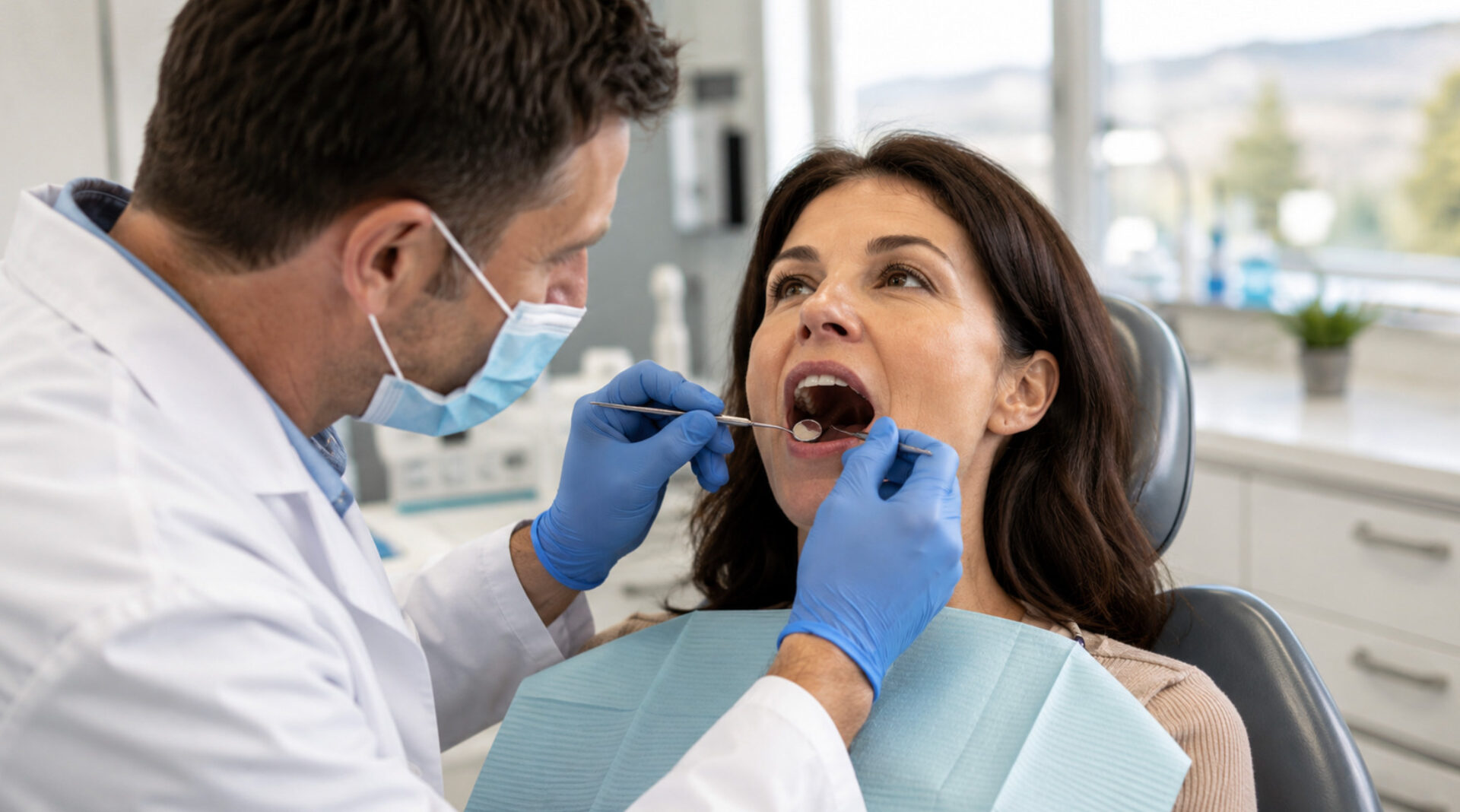
Oral cancer screening is a standard element of routine dental examinations. Dentists are trained to identify abnormal lesions or changes that could indicate malignancy, and they perform these assessments alongside other preventive care to provide a comprehensive evaluation of your oral health.
What Does a Visual Oral Cancer Screening Include?
A visual oral cancer screening involves systematic inspection of the oral cavity, oropharynx and neck for sores, discolouration, or masses. The clinician will also palpate oral tissues and lymph nodes as needed. This thorough examination supports early detection and gives patients clear guidance on maintaining oral health.
When Is a Biopsy Recommended as Part of the Screening Process?
If the dentist identifies a suspicious lesion, they may recommend a biopsy to obtain a small tissue sample for histopathological analysis. A timely biopsy is critical to confirm or rule out malignancy and to guide the appropriate treatment plan.
Why Is Early Detection of Oral Cancer Essential for Your Health?
Detecting oral cancer at an early stage improves available treatment options and overall prognosis. Early‑stage disease often requires less extensive intervention and is associated with better outcomes.
When treatment needs are more complex, services such as oral surgery may be part of care, though routine screening remains the primary preventive measure.
How Does Early Screening Improve Oral Cancer Survival Rates?
Research indicates that five‑year survival rates are approximately 80–90% when oral cancer is detected at an early stage. This statistic underscores the importance of regular screening and awareness of symptoms. Patients who attend consistent screenings are more likely to catch issues before they progress.
What Are the Long-Term Benefits of Routine Oral Cancer Exams in Twin Falls?
Routine oral cancer exams enable ongoing monitoring of any changes in oral health, reducing the likelihood of diagnosis at an advanced stage. These exams also reinforce good oral hygiene practices and contribute to overall dental wellbeing.
Which Preventive Dentistry Services Support Oral Cancer Prevention in Twin Falls?
Preventive dentistry reduces oral cancer risk through regular examinations, patient education, and targeted care that preserves oral mucosal health and identifies abnormalities early.
| Service | Description | Benefit |
| Regular Dental Check-Ups | Comprehensive evaluations to assess oral health | Early detection of potential issues |
| Oral Cancer Screenings | Visual inspections and biopsies if necessary | Prompt diagnosis and treatment |
| Patient Education Programs | Coaching on personal hygiene and screening importance | Increased awareness and self-monitoring |
Pocock Family Dental provides a range of preventive dentistry services designed to support oral health and enable early detection of oral cancer. Visiting Pocock Family Dental is a practical step toward a healthier smile.
How Do Routine Dental Checkups Incorporate Cancer Screening?
Dental teams integrate oral cancer screening into routine checkups as a natural part of the comprehensive oral health assessment, ensuring any concerning findings are identified and addressed promptly.
What Additional Preventive Measures Can Reduce Oral Cancer Risk?
In addition to regular screenings, practical measures that help lower oral cancer risk include:
- Regular dental visits: Ensure ongoing monitoring and professional cleanings.
- Avoiding tobacco and excessive alcohol: Reduce risk factors linked to cancer development.
- Healthy diet: A diet rich in fruits and vegetables can provide essential nutrients that support oral health.
Adopting these practices supports overall health and reduces the likelihood of developing oral cancer.
How Can Twin Falls Residents Schedule an Oral Cancer Screening at Pocock Family Dental?
To schedule an oral cancer screening at Pocock Family Dental, contact the practice by phone or visit the office; arranging a screening is a proactive step for your oral health.
What Should You Expect During Your First Oral Cancer Screening Appointment?
At your first screening appointment, the dental team will perform a thorough visual and manual examination, explain each step of the process, and take care to ensure your comfort and understanding throughout the visit.
How to Contact Pocock Family Dental for Preventive Dentistry and Oral Cancer Screening?
To maintain your dental health with preventive services, contact Pocock Family Dental—their team is available to schedule appointments and answer any questions you may have.
For more information or to schedule a visit, you can reach Pocock Family Dental at:
- Address: 2167 Village Park Ave, Ste 200, Twin Falls, ID 83301
- Phone: (208) 733-2471
- Email: [email protected]
Frequently Asked Questions
What happens if oral cancer is detected during a screening?
If oral cancer is detected during a screening, your dentist will recommend further diagnostic steps such as biopsy to determine stage and extent. Based on diagnostic results, the care team will discuss appropriate treatment options, which may include surgery, radiation therapy, and chemotherapy. Early detection generally permits more effective treatment and improves prognosis.
How often should I have oral cancer screenings?
Adults should receive oral cancer screening at least once a year during routine dental checkups. Individuals with elevated risk factors—such as a history of tobacco use or prior oral cancer—may require more frequent evaluations. Consult your dentist for a personalised screening schedule that reflects your risk profile.
Are there any side effects of the oral cancer screening process?
Oral cancer screenings are non-invasive and typically cause no side effects, consisting mainly of visual inspection and gentle palpation of oral tissues and neck. If a biopsy is indicated, there may be temporary discomfort, swelling, or soreness at the biopsy site, which is usually short‑lived. Dentists take measures to minimise patient discomfort during these procedures.
Can oral cancer be prevented with lifestyle changes?
Yes. Quitting tobacco, reducing alcohol intake, maintaining a nutritious diet rich in fruits and vegetables, practising good oral hygiene, and HPV vaccination are proven measures that can reduce oral cancer risk. These steps also support general health and oral wellbeing.
What age should I begin getting oral cancer screenings?
There is no strict age threshold, but adults are advised to begin regular screenings by age 18—especially those with risk factors such as tobacco use or a family history of cancer. Early monitoring is important because symptoms can be minimal or subtle in initial stages.
What should I do if I notice symptoms related to oral cancer?
If you notice persistent sores, lumps, or other changes that could indicate oral cancer, seek dental evaluation promptly. Early assessment and intervention can substantially improve treatment options and outcomes. Do not wait for your next routine visit—contact your dental provider to arrange an examination.
Are oral cancer screenings covered by dental insurance?
Many dental insurance plans cover oral cancer screening as part of preventive care, but coverage varies by provider and policy. Check with your insurer to understand your specific benefits. If cost is a concern, discuss payment options or financing with the dental office for assistance.
Conclusion
Oral cancer screening is a vital preventive service that supports early detection, improves treatment outcomes, and enhances survival. Knowing the signs and attending regular screenings empowers you to take control of your oral health. Schedule an oral cancer screening with Pocock Family Dental to take a proactive step for your wellbeing; together we work to protect your health through timely care and informed action.
More Posts
Jun / 2026
How Preventive Dentistry in Twin Falls Saves Magic Valley Families Thousands in Future Dental Bills
Jun / 2026
What Is a Deep Cleaning — and When Does Preventive Dentistry in Twin Falls Recommend One?
Jun / 2026
Early Signs of Gum Disease and How Preventive Dentistry in Twin Falls Protects Your Smile