Gum disease is a widespread but serious oral condition that can develop with few obvious early symptoms. Recognising early signs is essential for prompt management and prevention through Preventive Dentistry in Twin Falls. This article outlines common indicators of periodontal disease, practical preventive measures, and how partnering with dental professionals reduces risk. By identifying symptoms early and seeking care, Twin Falls residents can protect their oral health and preserve their smiles. We will cover early symptoms, the role of routine exams, the deep-cleaning (scaling and root planing) procedure, effective home care, and the influence of lifestyle choices on gum health.
What Are the Early Symptoms of Gum Disease to Watch for in Twin Falls?
Early detection of periodontal disease allows for less invasive treatment and better outcomes, and understanding the warning signs helps patients act sooner. Common initial symptoms include:
- Gums That Bleed: Regular bleeding during brushing or interdental cleaning often indicates gingival inflammation (gingivitis).
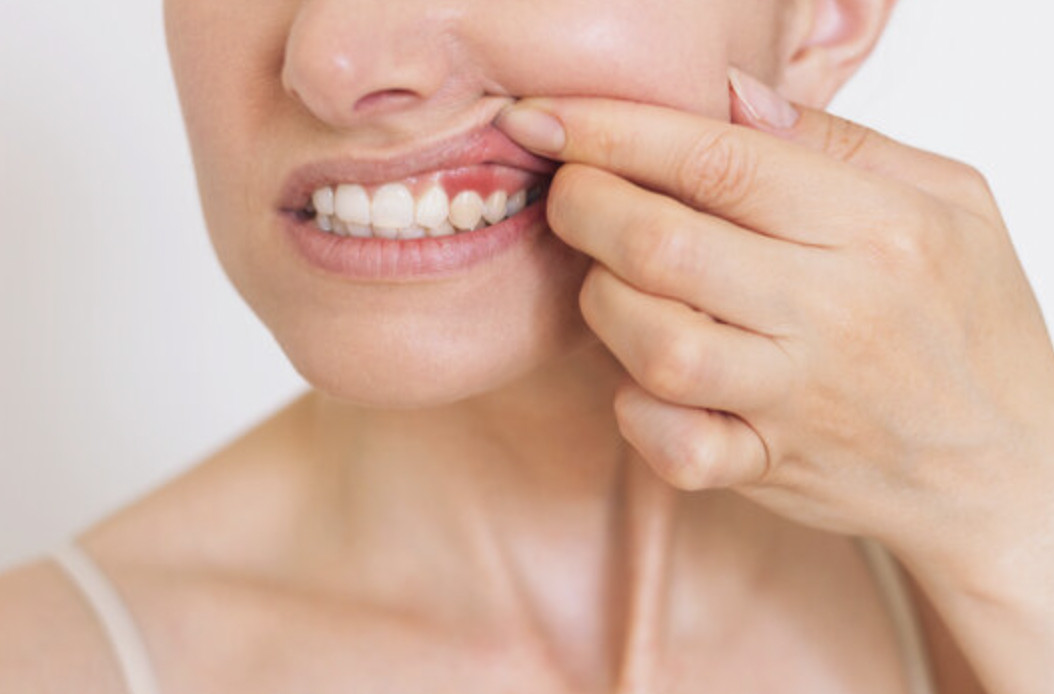
- Swollen or Red Gums: Healthy gingiva are typically pink and firm; persistent swelling or erythema suggests irritation and possible disease onset.
- Persistent Bad Breath: Chronic halitosis can signal plaque and bacterial accumulation at the gingival margin.
Presentation varies between patients, and some individuals may show minimal signs until the condition advances. If you notice these symptoms, contacting a local dental professional promptly supports better long‑term gum health.
Why Are Regular Dental Exams Crucial for Gum Disease Prevention in Twin Falls?
Routine dental examinations enable early identification of gingival inflammation and other periodontal concerns that may be missed at home. These visits allow clinicians to assess risk, monitor changes, and intervene before disease progresses. Key benefits of regular care include:
- Early Detection: Consistent exams help your dentist identify subtle changes in gum health.
- Professional Cleaning: Removal of supra‑ and subgingival plaque and calculus reduces bacterial load and prevents progression.
- Personalized Care: Clinicians can recommend tailored preventive and therapeutic strategies based on your oral health status.
At Pocock Family Dental, we provide expert, patient‑centred care tailored to your needs, supporting a preventive approach to oral health. Our services focus on prevention and maintenance to help you keep a healthy, comfortable smile.
How Does Professional Deep Cleaning Treat Early Gum Disease?
Professional deep cleaning, clinically termed scaling and root planing, is a cornerstone treatment for early periodontal disease. The procedure removes plaque and calculus from tooth surfaces and beneath the gingival margin, reducing bacterial reservoirs and allowing inflamed tissues to heal. When performed appropriately, scaling and root planing can reverse gingivitis and help prevent progression to periodontitis.
What Are the Steps in the Deep Cleaning Process?
- Initial Examination: The clinician evaluates the gingiva and measures periodontal pocket depths to gauge disease extent.
- Scaling: Specialist instruments remove plaque and calculus from crowns and root surfaces.
- Root Planing: Smoothing root surfaces promotes reattachment of the gingiva and reduces bacterial recolonisation.
Recovery and Aftercare
After scaling and root planing, some sensitivity and mild soreness are common but usually resolve within a few days. Maintaining meticulous oral hygiene—regular brushing, interdental cleaning, and any prescribed antimicrobial rinses—supports healing. Scheduled follow‑up visits allow your clinician to monitor recovery and reinforce home care.
Deep cleaning not only treats early-stage periodontal disease but also reinforces the ongoing partnership between clinician and patient in preserving oral health.
What Home Care Practices Complement Preventive Dentistry to Halt Gum Disease?
Consistent home care is critical to preventing periodontal disease and complements professional treatment. Recommended practices include:
- Daily Brushing and Flossing: Brush at least twice daily and clean between teeth once daily to remove plaque from interdental areas.
- Using Antimicrobial Mouthwash: Adjunctive rinses can reduce bacterial load and support periodontal health.
- Healthy Dietary Choices: A balanced diet rich in vitamins and minerals, especially vitamin C, supports gingival tissue health.
Adopting and maintaining these routines reinforces professional care and helps prevent recurrence of gum disease.
How Can Lifestyle Choices Influence Gum Health in Twin Falls Families?
Lifestyle factors significantly affect periodontal health. Certain behaviours can increase susceptibility to gum disease and impair healing. Important influences include:
- Diet: High‑sugar diets promote plaque accumulation and increase disease risk; prioritising whole foods, fruits and vegetables supports oral health.
- Tobacco Use: Smoking and other tobacco use markedly raise the risk of periodontal disease and slow tissue healing.
- Stress Management: Chronic stress can alter immune response and increase vulnerability to infections, including periodontal infections.
Addressing these lifestyle factors helps Twin Falls families support gum health and overall wellbeing.
Lifestyle Recommendations for Better Gum Health
Small, consistent changes to daily habits can produce measurable benefits for your gums. Recommendations include:
- Quit Smoking: Seek professional support to stop tobacco use, which will improve oral and general health.
- Stay Hydrated: Adequate water intake helps clear debris and maintain a healthier oral environment.
- Regular Physical Activity: Exercise supports immune function, which is beneficial for oral health.
These adjustments can reduce risk factors and contribute to stronger dental hygiene and gum health for the whole family.
EAV Table: Comparison of Gum Disease Stages
| Stage | Description | Treatment Options |
| Gingivitis | Initial stage characterized by redness and bleeding of gums | Improved dental hygiene and professional cleanings |
| Early Periodontitis | Increased gum pocket depth and bone loss | Deep cleanings and enhanced oral care |
| Advanced Periodontitis | Significant tissue and bone loss, leading to tooth mobility | Specialized periodontal treatments and potential surgery |
Recognising the stages of disease underscores the value of early intervention to prevent irreversible tissue and bone loss.
In summary, detecting early signs of periodontal disease and embracing preventive dentistry are central to maintaining a healthy smile. Being proactive with routine examinations, diligent home care, and positive lifestyle changes substantially lowers the risk of gum disease. For patients in Twin Falls, consulting Pocock Family Dental provides personalised, expert care to support lasting oral health.
Frequently Asked Questions
What is the difference between gingivitis and periodontitis?
Gingivitis is the reversible, initial stage of gum disease marked by gingival inflammation, redness and bleeding, usually due to plaque accumulation. If left untreated, it can progress to periodontitis, a destructive condition that involves connective tissue breakdown, gum recession and alveolar bone loss, which may cause tooth mobility. Periodontitis typically requires more intensive therapy, such as scaling and root planing or periodontal surgery. Regular dental care helps identify and treat gingivitis before it advances.
How often should I schedule dental exams to prevent gum disease?
For most patients, dental examinations every six months support optimal gum health. Individuals with risk factors—such as a history of periodontal disease, tobacco use, or systemic health conditions—may require more frequent assessments. Regular check‑ups enable early detection and timely treatment, reducing the likelihood of disease progression.
Can gum disease affect overall health?
Yes. Evidence links periodontal inflammation to several systemic conditions. Inflammatory mediators and oral bacteria associated with gum disease have been associated with increased risk factors for cardiovascular disease, stroke, diabetes complications and respiratory conditions. Maintaining oral health reduces bacterial burden and supports overall health, so effective periodontal care plays an important role in general wellbeing.
What lifestyle changes can help improve gum health?
Meaningful lifestyle changes include quitting tobacco, following a nutrient‑rich diet, staying physically active, managing stress and maintaining hydration. These measures support immune function, reduce risk factors for periodontal disease, and complement professional dental care for better long‑term outcomes.
How can I tell if my gum disease is improving after treatment?
Improvement is usually shown by reduced gingival redness and swelling, less bleeding during brushing and interdental cleaning, and diminished halitosis. During follow‑up appointments your dentist will clinically assess healing and may measure pocket depths to evaluate treatment success and advise on ongoing care.
Can using mouthwash alone prevent gum disease?
Mouthwash can be a useful adjunct to reduce plaque and oral bacteria but should not be relied on alone. Effective prevention requires a combination of thorough brushing, interdental cleaning, a balanced diet and regular professional examinations. Consider mouthwash as one component of a comprehensive oral hygiene routine.
Conclusion
Recognising early signs of gum disease and committing to preventive dentistry are key to preserving your smile and oral health. Regular dental visits, consistent home care and considered lifestyle changes work together to reduce the risk of periodontal disease. For residents of Twin Falls, Pocock Family Dental offers experienced, personalised care to guide your oral health plan—book an exam to protect your smile and wellbeing.
More Posts
Jun / 2026
How Preventive Dentistry in Twin Falls Saves Magic Valley Families Thousands in Future Dental Bills
Jun / 2026
Oral Cancer Screening in Twin Falls: The Preventive Dentistry Check That Can Save Your Life
Jun / 2026
What Is a Deep Cleaning — and When Does Preventive Dentistry in Twin Falls Recommend One?