Dental sealants form a thin protective coating over tooth enamel to block food debris and plaque from settling in pits and fissures. Effective for both children and adults, sealants reduce the risk of occlusal caries by shielding vulnerable grooves on molars. This page explains the clinical benefits, the application steps, and the impact of sealants on oral health in Twin Falls. You will also learn which patients are good candidates and what costs to expect at Pocock Family Dental. We also describe complementary preventive dental services that support long-term cavity prevention and sound home care.
Benefits of Dental Sealants
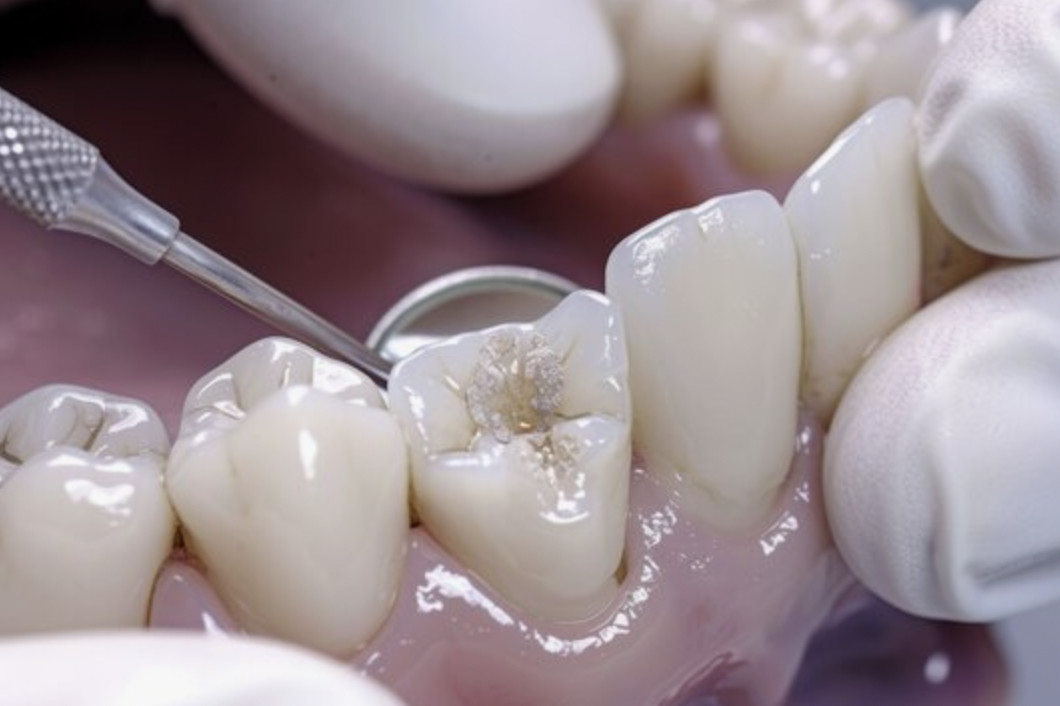
Dental sealants provide targeted protection where toothbrush bristles and floss may not reach. By covering pits and grooves, sealants reduce bacterial colonisation and lower the chance of decay. Their use is a practical, evidence-based preventive measure that supports long-term oral health.
- Protective Barriers: Sealants create a smooth, protective layer that prevents food and bacteria from settling in the grooves and pits of teeth.
- Cost-Effectiveness: Using sealants can save patients from more significant costs associated with treating cavities and performing restorative procedures.
- Quick Application: The application process is quick and painless, making it an easy preventive measure for patients of all ages.
For families in Twin Falls, choosing Pocock Family Dental for sealant placement provides clinical expertise with an emphasis on preventive strategies that support long-term oral health and patient comfort.
Application Process
Knowing the application steps helps patients feel confident about the procedure. Sealant placement involves cleaning the tooth surface, applying a conditioning solution to improve adhesion, placing the resin into pits and fissures, and curing the material with a specialised light to form a durable barrier.
- Cleaning the Tooth: The targeted tooth is cleaned thoroughly to remove any debris and bacteria.
- Preparation: A special solution may be applied to help the sealant adhere better to the tooth surface.
- Sealant Application: The dental resin is applied to the grooves and pits and then hardened using a special curing light.
What Is the Dental Sealant Application Procedure at Pocock Family Dental?
At Pocock Family Dental, sealant placement is performed with attention to your comfort and clinical best practice. After cleaning and surface preparation, the resin is applied to the occlusal surfaces and light-cured to form a hard, protective layer. Most patients are in and out of the chair quickly with minimal disruption to their day.
What Should Patients Expect After Sealant Placement?
After sealant placement some patients report brief sensitivity; this typically resolves quickly. Your clinician will inspect sealants during routine exams to confirm they remain intact. With proper oral hygiene and regular dental visits, sealants can provide durable protection for several years.
Overall Impact on Oral Health
Sealants contribute to long-term oral health by preventing bacterial accumulation in grooves and pits that commonly lead to decay. Their protective effect reduces the need for operative treatment and helps patients maintain healthier dentitions over time.
- Enhanced Oral Hygiene: Patients with sealants are less likely to develop cavities, thus reducing the need for fillings and further dental work.
- Reduction in Cavity Risk: Regular use of sealants is associated with a lower incidence of tooth decay, particularly in children and adolescents.
- Education in Oral Care: The process encourages discussions about oral hygiene practices between dental professionals and patients.
When combined with routine preventive care, sealants significantly lower cavity risk and support overall dental health for patients of all ages.
Who Should Consider Dental Sealants in Twin Falls?
Sealants are commonly recommended for children as soon as molars erupt, but adults with elevated caries risk can also benefit. Appropriate candidacy is assessed by your dentist based on occlusal anatomy, history of decay, and individual risk factors.
What Cavity Risk Factors Influence Sealant Eligibility?
Several clinical and behavioural factors increase caries risk and influence the decision to place sealants.
- Deep Grooves in Teeth: Individuals with deep grooves or pits on their molars may be more susceptible to decay, making them ideal candidates for sealant application.
- History of Cavities: Those who have had cavities in the past are often at increased risk and may greatly benefit from sealants during their dental visits.Sealants can be a valuable part of managing this risk.
- Poor Oral Hygiene: Individuals who struggle with maintaining good oral hygiene practices may find that sealants are an effective line of defense against cavities.
How Much Do Dental Sealants Cost in Twin Falls and What Insurance Options Are Available?
Understanding typical costs and insurance coverage helps patients plan preventive care. Prices can vary by provider and the number of teeth treated, so discussing estimates with the practice provides clarity for decision-making.
How Can Insurance and Payment Plans Help Cover Sealant Costs?
Many dental insurance plans include preventive services such as sealants for children; coverage for adults varies by policy. Patients should verify benefits with their insurer. Pocock Family Dental also offers payment options to improve access to necessary preventive care.
Which Complementary Preventive Dental Services Enhance Cavity Protection in Twin Falls?
In addition to sealants, several complementary preventive services contribute to enhanced cavity protection. It is important to recognise that while sealants are highly effective for occlusal protection, other oral surgery services may be required for more complex dental conditions.
What Oral Hygiene Practices Support Long-Term Sealant Effectiveness?
Consistent home care and professional monitoring are key to maintaining sealant integrity and overall oral health. The following practices support long-term effectiveness and cavity prevention.
- Regular Brushing and Flossing: Establishing a daily routine that includes brushing twice a day and flossing helps maintain overall oral health.
- Routine Dental Check-ups: Visiting the dentist regularly allows for monitoring of sealant integrity as well as for professional cleanings.
- Healthy Diet: Eating a balanced diet low in sugary snacks and drinks can further reduce the risk of cavities.
When patients combine these hygiene practices with professionally applied sealants, they strengthen their preventive dental strategy and reduce future restorative needs.
Why Choose Pocock Family Dental for Your Preventive Dentistry Needs in Twin Falls?
Pocock Family Dental provides comprehensive preventive care with a focus on patient comfort and durable outcomes. The team emphasises evidence-based treatments and personalised prevention plans to protect your smile and overall oral health.
What Do Twin Falls Patients Say About Our Dental Sealant Services?
Patients report high satisfaction with sealant appointments at Pocock Family Dental. The clinical team prioritises clear explanations, gentle technique, and comfort, which helps patients feel informed and confident in their preventive care. For patients interested in additional cosmetic or restorative options, Pocock Family Dental also offers services such as clear aligners.
Choosing Pocock Family Dental for dental sealants means investing in immediate cavity prevention and in a preventive plan that supports a healthier smile for years to come.
Frequently Asked Questions
What age is ideal for a child to receive dental sealants?
The optimal timing is typically around age 6 when the first permanent molars erupt; the second molars usually appear around age 12, and sealants can be placed then as well. Individual dental development and caries risk determine exact timing, so a clinical evaluation will guide the decision.
How long do dental sealants last?
Sealants commonly last between five and ten years, depending on oral hygiene, occlusal wear, and material used. Regular dental examinations allow clinicians to monitor sealant condition and address any wear or defects promptly to preserve protection.
Are there any side effects associated with dental sealants?
Sealants are safe for most patients. Some individuals may notice brief sensitivity after placement. Allergic reactions are rare and usually mild. If you experience ongoing discomfort or concerns, contact the dentist for assessment.
Can adults benefit from dental sealants?
Yes. Adults with deep occlusal grooves, a history of caries, or challenges maintaining oral hygiene can benefit from sealants as an adjunctive preventive measure. Clinicians evaluate each case to determine suitability.
What materials are dental sealants made from?
Most sealants are composed of a composite resin that bonds to enamel and provides a durable barrier. Some formulations use glass ionomer materials that release fluoride over time, offering an additional anti-caries benefit.
How often should dental sealants be reapplied?
Sealants do not require routine frequent replacement but should be checked at regular dental visits. If a sealant shows wear or loss, the dentist may recommend repair or reapplication, typically on a multi-year timeframe as indicated by clinical assessment.
Are dental sealants covered by insurance?
Many dental insurance plans cover sealants as a preventive benefit, especially for children. Coverage varies by policy and age, so patients should verify benefits with their insurer to understand any out-of-pocket costs.
Conclusion
Dental sealants are a proactive, clinically effective method to reduce cavity risk and support better oral health for children and at-risk adults. These protective barriers lower the need for restorative treatment and reinforce good hygiene habits. To discuss sealant options and suitability for your family, schedule an appointment at Pocock Family Dental and protect your children’s smiles for years to come.
More Posts
Jun / 2026
How Preventive Dentistry in Twin Falls Saves Magic Valley Families Thousands in Future Dental Bills
Jun / 2026
Oral Cancer Screening in Twin Falls: The Preventive Dentistry Check That Can Save Your Life
Jun / 2026
What Is a Deep Cleaning — and When Does Preventive Dentistry in Twin Falls Recommend One?