Fluoride treatments are a fundamental preventive measure for adult oral health in Twin Falls. They help reduce tooth decay and cavities across age groups by strengthening enamel and supporting remineralization as part of Preventive Dentistry in Twin Falls. As preventive dentistry advances, professional fluoride applications provide a proactive defence and practical guidance to help you protect your teeth. This article explains the types of fluoride treatments, their clinical benefits, recommended application schedules, safety considerations, and complementary services available at Pocock Family Dental that support oral health.
What Are Fluoride Treatments and How Do They Protect Adult Teeth?
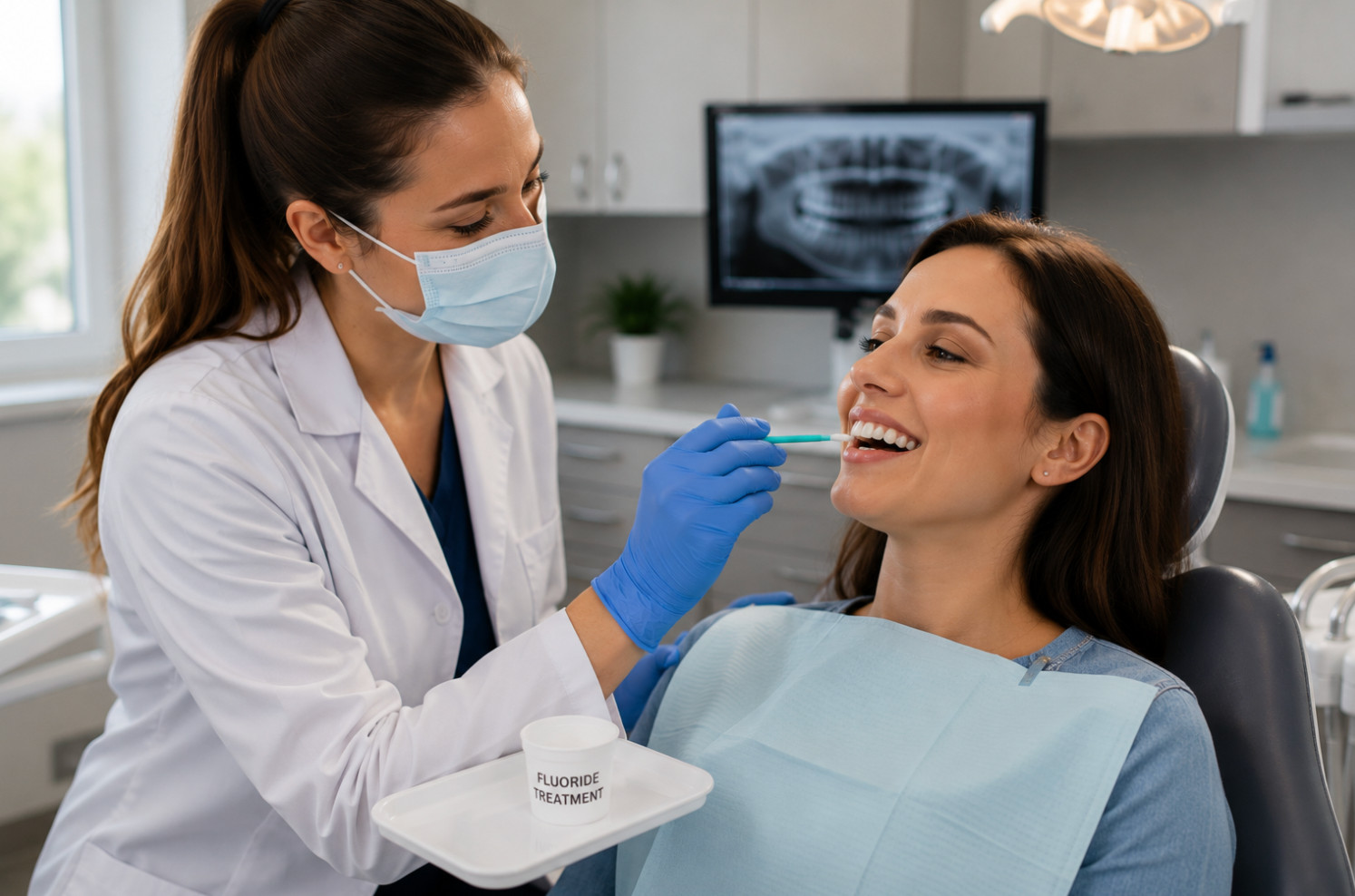
Fluoride treatments are in-office applications that prevent caries and fortify enamel. Delivered as varnishes, gels or foams, these concentrated fluoride forms enhance the remineralization process and increase enamel resistance to acid challenge. By penetrating enamel, professional fluoride leaves a protective surface that contributes to sustained oral health.
Which Types of Fluoride Applications Are Recommended for Adults?
For adults, several fluoride application methods are recommended, including:
- Fluoride Varnish: This sticky solution is painted onto the teeth and is particularly effective for cavity prevention, ensuring prolonged fluoride exposure.
- Fluoride Gel: Applied using trays, fluoride gel allows for higher concentrations of fluoride to be used, facilitating deeper penetration into the enamel.
- Fluoride Foam: This method is similar to gel application but offers a less invasive option with a pleasant taste for those apprehensive about dental treatments.
Each method supports enamel strengthening and reduces the likelihood of new decay.
How Does Fluoride Chemically Strengthen Enamel to Prevent Cavities?
Fluoride promotes remineralization by reacting with enamel minerals to form fluorapatite, a more acid-resistant compound. This chemical change increases enamel hardness, reduces demineralization from bacterial acids, and helps repair early lesions before they progress to cavities.
What Are the Proven Benefits of Fluoride Treatment for Adult Cavity Prevention?
Clinical evidence shows fluoride treatments lower cavity incidence and support overall oral stability in adults. Regular professional applications complement home care by providing concentrated fluoride where it is most needed.
How Does Regular Fluoride Use Reduce Adult Cavity Rates and Improve Oral Health?
Research indicates adults who receive regular professional fluoride treatments can see cavity reductions of up to 40% versus those who do not. This preventive strategy preserves tooth structure, reduces the need for restorative procedures, and improves long-term oral health outcomes.
What Patient Comfort and Outcome Improvements Result from Fluoride Treatments?
Patients frequently report greater confidence and comfort after fluoride treatment, driven by clearer understanding of their oral condition and the preventive steps available. Better education increases adherence to recommendations and reduces anxiety about future dental care.
How Often Should Adults in Twin Falls Receive Professional Fluoride Treatments?
Treatment frequency depends on individual caries risk and clinical findings. Professional guidelines help determine an appropriate schedule based on each patient’s needs.
What Do 2023 ADA Guidelines Recommend Regarding Fluoride Treatment Frequency?
The American Dental Association (ADA) recommends adults receive professional fluoride at least once per year, with more frequent applications for those at elevated risk of cavities, such as patients with xerostomia or a history of dental decay. Regular clinical evaluations guide these recommendations.
How Are Treatment Schedules Customized Based on Individual Risk Factors?
At Pocock Family Dental, we personalise schedules after assessing diet, oral hygiene, salivary factors and dental history, ensuring each patient receives the most effective care for their risk profile.
Are Fluoride Treatments Safe for Adults? What Side Effects Should Patients Know?
Safety is central to fluoride use; when applied at recommended concentrations, professional fluoride treatments are safe for adults. Adverse effects are uncommon and generally related to excessive exposure.
What Does Current Research Indicate About Fluoride Safety for Adult Patients?
Current evidence supports the safety of in-office fluoride applications. Side effects are rare and typically associated with overexposure; when used appropriately, fluoride poses no significant health risk for adult patients.
How Does Pocock Family Dental Ensure Patient Comfort and Minimize Side Effects?
Pocock Family Dental uses gentle application techniques, professional-grade products, and clear post-treatment instructions to minimise side effects while optimising therapeutic benefit and patient comfort.
Which Preventive Dentistry Services at Pocock Family Dental Complement Fluoride Treatments?
In addition to fluoride, Pocock Family Dental offers preventive services that work together to protect teeth and gums.
How Does Our Team Tailor Preventive Care Plans for Twin Falls Adults?
Our team works directly with patients to create customised preventive plans that may include professional cleanings, dental sealants and targeted oral health education. These services reinforce fluoride treatment and support comprehensive oral care.
What Oral Health Education Does Pocock Family Dental Provide to Support Fluoride Benefits?
Education is part of every visit. Pocock Family Dental provides clear explanations, printed resources and one-on-one consultations so patients understand how fluoride works and how to maintain healthy habits between visits.
How Long Does a Fluoride Treatment Take, and Is It Painful?
A typical professional fluoride application takes about 30 minutes and is generally painless. Some patients may feel brief mild discomfort during application, which usually resolves quickly.
Can Fluoride Treatments Reverse Early Signs of Tooth Decay in Adults?
Yes. By enhancing remineralization, fluoride can halt and, in many cases, reverse early enamel demineralization before cavities form.
Frequently Asked Questions
What age should adults start receiving fluoride treatments?
Adults can benefit from fluoride at any age, especially those with elevated cavity risk. The American Dental Association advises regular adult fluoride applications beginning in early adulthood to help maintain enamel strength and reduce decay. It is beneficial for older adults and those with specific dental concerns.
Can fluoride treatments help with sensitivity issues in adults?
Yes. Professional fluoride can reduce dentin sensitivity by forming a protective layer over exposed dentin and promoting enamel remineralization, which decreases discomfort from hot, cold or sweet stimuli.
Are there any alternatives to fluoride treatments for cavity prevention?
Alternatives include calcium phosphate therapies, sealants, dietary modification, meticulous oral hygiene and frequent dental monitoring. While these measures contribute to prevention, fluoride remains the most extensively researched and widely recommended option for enamel strengthening.
What should I avoid after receiving a fluoride treatment?
To maximise effectiveness, avoid eating or drinking for at least 30 minutes after treatment. Do not rinse immediately, and avoid abrasive whitening toothpastes for a short period as directed by your clinician.
How do fluoride treatments compare to over-the-counter fluoride products?
Over-the-counter toothpaste and rinses provide baseline fluoride exposure, but professional treatments use higher concentrations and targeted application for more immediate remineralization. For patients at higher risk of decay, in-office fluoride is typically more effective than home-only products.
Will insurance cover fluoride treatments for adults?
Coverage varies by plan. Many policies prioritise paediatric fluoride, though some insurers may cover adult applications if deemed medically necessary due to decay risk. Check with your insurance provider to confirm benefits and any out-of-pocket costs.
Conclusion
Fluoride treatments reduce cavity risk and strengthen enamel, supporting long-term oral health and reducing the need for invasive procedures. Prioritising regular professional applications helps protect your smile and overall oral health. Learn more about our preventive services and schedule your next fluoride treatment with Pocock Family Dental.
More Posts
Jun / 2026
How Preventive Dentistry in Twin Falls Saves Magic Valley Families Thousands in Future Dental Bills
Jun / 2026
Oral Cancer Screening in Twin Falls: The Preventive Dentistry Check That Can Save Your Life
Jun / 2026
What Is a Deep Cleaning — and When Does Preventive Dentistry in Twin Falls Recommend One?