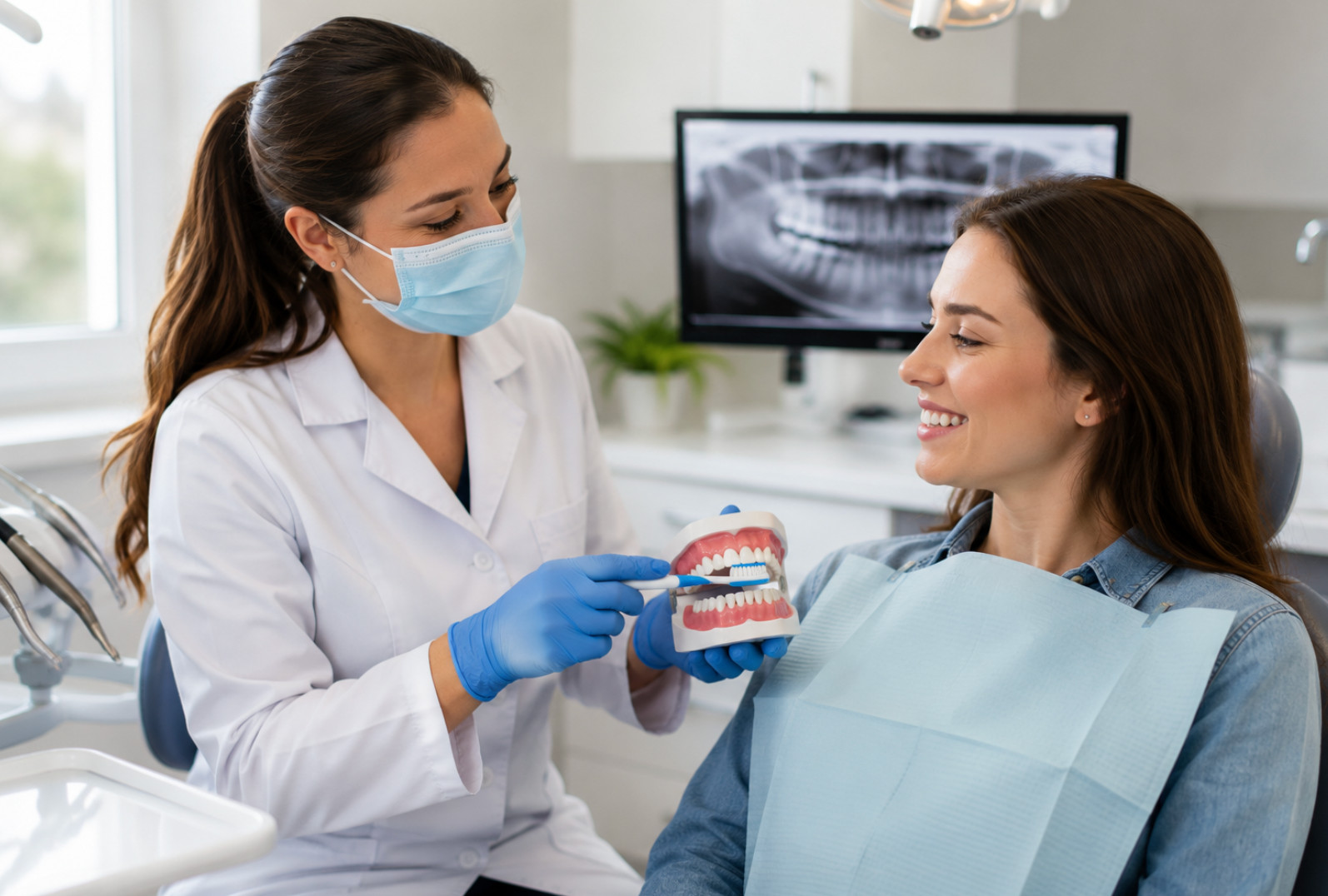
Preventive dentistry is a proactive clinical approach that prioritises routine care to prevent caries, periodontal disease, and other oral pathology. In Twin Falls, preventive services are structured to preserve tooth structure, support periodontal health, and protect your smile. Understanding these measures helps patients reduce future treatment needs and maintain overall oral health.
The core of preventive dentistry is consistent monitoring, professional intervention, and patient education rather than only reacting to symptoms. This article outlines key services available in Twin Falls—routine examinations, professional prophylaxis, and targeted preventive treatments—and explains how fluoride, sealants, and personalised care reduce the risk of progressive disease. Emphasising prevention preserves dental tissues and often leads to better long-term health outcomes for families.
What Are the Essential Preventive Dentistry Services Offered in Twin Falls?
In Twin Falls, essential preventive dentistry services target early detection and minimising disease progression. These evidence-based services aim to protect enamel, control plaque biofilm, and maintain periodontal stability. Key offerings include:
- Routine Dental Exams: Regular checkups allow dentists to assess oral health, identify potential issues early, and provide necessary interventions.
- Professional Cleanings: Regular cleanings help remove plaque and tartar, preventing cavities and gum disease.
- Fluoride Treatments: These treatments enhance tooth enamel strength and protect against decay.
- Dental Sealants: Applied to the chewing surfaces of back teeth, sealants provide an added layer of protection against cavities.
When integrated into a consistent care schedule, these services substantially reduce the likelihood of advanced decay and periodontal problems that require complex restorative work.
Pocock Family Dental in Twin Falls provides comprehensive preventive dentistry services tailored to a family’s needs, ensuring a commitment to long-term oral health for all patients.
How Do Routine Dental Exams Contribute to Long-Term Oral Health?
Routine dental examinations are fundamental to prevention because they allow clinicians to detect caries, gingivitis, and occlusal changes early. A comprehensive exam includes soft-tissue evaluation, periodontal screening, and assessment of restorative and orthodontic needs to form an appropriate care plan.
These appointments also provide an opportunity for clinicians to advise on home care techniques and risk-reduction strategies. Regular exams support conservative treatment choices and help patients maintain healthier mouths with fewer invasive procedures over time.
The benefits above demonstrate how routine exams support early intervention and improved long-term oral health.
Why Are Professional Teeth Cleanings Vital for Preventing Dental Disease?
Professional tooth cleaning (prophylaxis) removes calculus and supra- and subgingival plaque that mechanical home care cannot fully eliminate. Hygienists use ultrasonic and hand instrumentation to disrupt the biofilm and reduce inflammatory burden on the periodontium.
Beyond calculus removal, professional cleanings improve halitosis control and enhance the appearance of the dentition. These visits also allow clinicians to reinforce brushing and interdental techniques, improving patient self-care and oral health outcomes.
Scheduling regular professional cleanings helps Twin Falls residents prevent periodontal disease progression and maintain a healthier oral environment.
How Do Fluoride Treatments and Dental Sealants Protect Teeth in Twin Falls?
Fluoride treatments and dental sealants are cornerstones of preventive dentistry, providing children and adults an extra line of defense against cavities.
Topical fluoride enhances remineralisation of enamel and increases resistance to acid challenge from cariogenic bacteria. Periodic professional fluoride applications have been shown to reduce caries incidence in susceptible patients, particularly on newly erupted teeth.
Pit-and-fissure sealants form a protective barrier over occlusal anatomy, sealing off fissures that are difficult to clean and therefore high-risk for decay. The application is quick, minimally invasive, and highly effective during the years when molars are most vulnerable.
What Are the Benefits and Safety Aspects of Fluoride Treatments?
Fluoride treatments are beneficial in numerous ways:
- Cavity Prevention: Fluoride makes the enamel more resistant to acids produced by plaque bacteria.
- Strengthening Enamel: It aids in the remineralization of early stages of tooth decay.
- Cost-Effectiveness: Preventing cavities through fluoride can reduce future dental expenses.
When applied professionally and in recommended doses, fluoride treatments are safe and effective. Clinical studies support significant caries reduction with minimal risk when usage follows dental guidance.
When Should Dental Sealants Be Applied for Maximum Effectiveness?
Sealants are most effective when placed shortly after permanent molars erupt, commonly around ages 6 and 12. Early placement protects occlusal surfaces during the period of highest caries risk.
Parents should consult their child’s dentist to determine optimal timing based on eruption patterns and individual caries risk factors.
What Are the Best Oral Hygiene Tips Recommended for Families in Twin Falls?
Establishing reliable oral hygiene routines is key to preserving dental health for families. Recommended practices emphasise mechanical plaque control, dietary moderation, and routine professional care.
- Regular Dental Checkups: Schedule checkups every six months to keep dental health on track.
- Proper Brushing Techniques: Brush twice a day for at least two minutes using fluoride toothpaste.
- Flossing: Incorporate daily flossing to remove food particles and plaque between teeth.
- Healthy Diet Choices: Encourage a diet low in sugar and high in fruits and vegetables.
- Limit Soda and Sugary Drinks: Reducing the consumption of sugary beverages prevents acid erosion.
Adopting these practices helps families reduce caries risk, protect periodontal health, and support long-term preservation of teeth.
Which Daily Practices Support a Healthy Smile and Prevent Dental Issues?
To maintain a healthy smile, families should prioritise consistent oral care, interdental cleaning, nutrition, and hydration to support saliva function and enamel integrity.
- Consistent Brushing: Brush teeth at least twice a day.
- Daily Flossing: Floss to remove plaque and food particles between teeth.
- Balanced Diet: Emphasize foods rich in nutrients and limit sugar intake.
- Hydration: Drink plenty of water to help wash away food particles and maintain saliva production.
These routines form the foundation of preventive care; for patients exploring alignment options, understanding the process of clear aligners can complement efforts to improve both aesthetics and function.
How Can Families Implement Effective Oral Hygiene Routines for Children?
Creating consistent, age-appropriate routines helps children adopt lifelong dental habits. Making care predictable and engaging increases compliance and reduces resistance.
- Create a Fun Routine: Use timers or music to make brushing teeth more engaging.
- Use Child-Friendly Products: Choose colorful toothbrushes and fun-flavored toothpaste to spark interest.
- Model Good Behavior: Parents should set an example by brushing and flossing regularly themselves.
- Reward System: Offer rewards or stickers for successfully maintaining good oral hygiene habits.
By encouraging a positive and supportive atmosphere around oral care, parents can help children internalise habits that lead to better dental health over time.
Why Is Preventive Dentistry the Foundation of a Healthy Smile for Twin Falls Residents?
Preventive dentistry protects dental tissues and periodontal support structures by addressing risk factors early. Timely intervention limits disease progression and preserves tooth vitality, resulting in more predictable clinical outcomes.
Because preventive care typically avoids the complexity of restorative procedures, families experience fewer invasive treatments and improved long-term oral health—making prevention the practical cornerstone of care.
How Does Preventive Care Reduce the Need for Costly Restorative Treatments?
Regular preventive services—examinations, prophylaxis, fluoride, and sealants—interrupt the disease pathway that leads to extensive restorations. Controlling biofilm and reinforcing enamel reduces the incidence of caries and periodontal breakdown.
Studies show that proactive dental care can be up to five times less expensive than treatment for severe dental issues. Families are encouraged to prioritise these preventive services to safeguard their oral health and maintain smiles for a lifetime. For those with more complex dental needs, understanding options like oral surgery might become relevant after initial preventive assessments.
What Role Does Patient Education Play in Sustaining Oral Health?
Patient education equips individuals with the knowledge to perform effective home care and make informed choices about diet and preventive treatments. Clear instruction on technique and risk factors empowers patients to reduce disease risk.
Providing concise, actionable guidance during appointments helps families understand the consequences of dental decisions and supports adherence to preventive regimens that improve outcomes.
How Does Pocock Family Dental Integrate Personalized Preventive Care for Twin Falls Families?
Pocock Family Dental delivers personalised preventive plans by assessing each patient’s clinical risk factors, history, and lifestyle. This tailored approach ensures preventive measures match individual needs and risk profiles.
Through targeted evaluations, clinicians develop care plans that consider age, behaviour, and oral health status, ensuring preventive interventions are appropriate and effective for each family member.
What Makes Pocock Family Dental a Trusted Family Preventive Dentist in Twin Falls?
Pocock Family Dental is recognised for patient-centred care and a comprehensive preventive focus. Experienced clinicians provide services for both children and adults, emphasising continuity of care and clear communication.
The clinic supports families through education and community outreach, reinforcing preventive practices and building long-term patient relationships that contribute to improved oral health across the community.
How Are Preventive Services Customized to Individual Patient Needs?
Customised preventive care relies on detailed history, clinical findings, and patient goals. Pocock Family Dental adapts the frequency and type of preventive treatments—such as scaling intervals, fluoride application, or sealant placement—based on individual risk assessment.
This personalised attention enhances patient engagement and treatment adherence, ensuring each person receives preventive care aligned with their specific oral health requirements.
Frequently Asked Questions
1. What is the importance of preventive dentistry for children?
Preventive dentistry establishes healthy habits and protects developing dentition. Regular exams and timely interventions catch caries and alignment issues early, reducing the need for restorative treatment and supporting lifelong oral health.
2. How often should families schedule dental appointments?
Most families benefit from dental check-ups every six months for monitoring, cleaning, and early detection. Patients with elevated caries or periodontal risk may require more frequent visits as determined by their dentist.
3. Can preventive dentistry help with bad breath issues?
Yes. Professional cleanings and periodontal management reduce the bacterial load that causes halitosis. Dentists also evaluate for local causes such as caries, periodontal disease, or oral lesions and recommend tailored treatments.
4. What role does nutrition play in preventive dentistry?
Nutrition directly affects cariogenic risk and periodontal health. Diets low in fermentable carbohydrates and rich in vitamins and minerals support enamel strength and gingival resilience. Dentists provide dietary guidance to complement clinical preventive care.
5. Are there risks associated with fluoride treatments?
Professional fluoride applications are safe when used appropriately. Overexposure—primarily from ingestion during early childhood—can cause fluorosis, so clinicians advise on correct use of toothpaste and topical products to minimise risk.
6. How does a family’s dentition affect preventive care recommendations?
Individual dentition, age, and clinical history determine preventive protocols. For example, children may need sealants and topical fluoride, while older adults might require more frequent periodontal monitoring due to recession or root exposure.
7. What should new patients expect during their first preventive dental visit?
New patients should expect a comprehensive assessment including medical and dental history, oral examination, necessary radiographs, and a professional cleaning. The clinician will discuss findings and provide a personalised preventive plan.
Conclusion
Adopting preventive dentistry in Twin Falls helps families preserve tooth structure, control periodontal health, and avoid more extensive restorative care. Prioritise regular exams, cleanings, and personalised preventive measures to protect your smile and long-term oral health. Explore the tailored preventive options available at Pocock Family Dental to support your family’s dental wellbeing.
More Posts
Jun / 2026
How Preventive Dentistry in Twin Falls Saves Magic Valley Families Thousands in Future Dental Bills
Jun / 2026
Oral Cancer Screening in Twin Falls: The Preventive Dentistry Check That Can Save Your Life
Jun / 2026
What Is a Deep Cleaning — and When Does Preventive Dentistry in Twin Falls Recommend One?